
We often receive inquiries from our customers regarding the materials used in our Jewish wigs. Allow me to address these questions and provide clarity for everyone in the Jewish wigs business.
Finding the best hair for Jewish wigs involves understanding quality and tradition. This choice affects both appearance and durability.
European hair is often considered the best for Jewish wigs due to its fine texture and natural look, closely resembling traditional preferences.
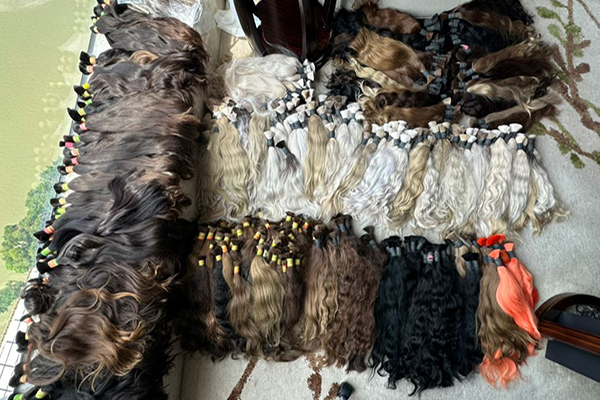
Selecting the right hair involves balancing texture, appearance, and tradition. European hair1 offers a natural sheen and texture highly valued in Jewish wig-making2. Its adaptability ensures styles meet cultural standards. Sourcing quality hair is crucial, maintaining the authenticity that wearers seek. This combination of traits ensures a comfortable and satisfying wear experience.
What is the origin of the hair used for Jewish wigs?
Understanding the origins of hair used in Jewish wigs helps appreciate the sourcing strategies and quality.
The hair for Jewish wigs often originates from Eastern Europe, where local sourcing ensures authenticity and meet cultural standards for appearance and texture.
Origins play a critical role in maintaining the cultural integrity3 of wigs. Eastern European hair4 provides a texture and appearance that aligns with traditional aesthetics. Local sourcing ensures alignment with cultural practices, fostering trust in production methods. This commitment to authenticity upholds quality and resonance with community expectations, affirming the wig’s value and appeal.
Do you have European hair to make Jewish wigs?
European hair is both prized and available for Jewish wig production. Ensuring quality involves understanding its sourcing and application.
Yes, European hair is available and widely used for making Jewish wigs. Its fine texture and adaptability make it ideal for fulfilling traditional and stylistic needs.
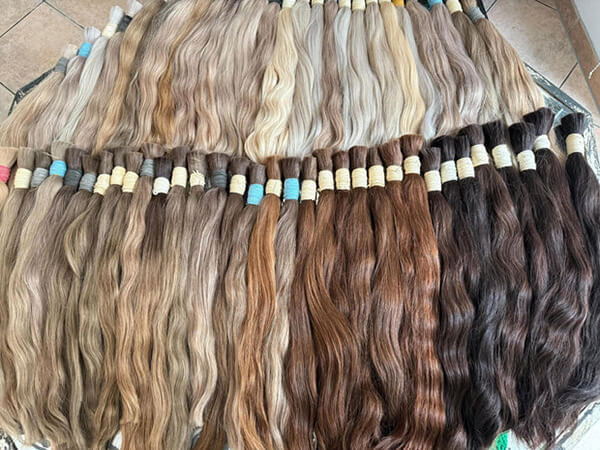
European hair’s characteristics satisfy multiple needs from aesthetics to tradition. Its versatility and durability provide a wig that suits various styles and occasions. Ensuring access to genuine European hair involves working with trusted suppliers. This guarantees consistency in quality and adherence to the high standards expected in Jewish wig-making.
Do you have Slavic hair?
Slavic hair offers a distinct quality. Determining its availability involves examining supply chains and market demands.
Yes, Slavic hair is used in wig-making, recognized for its natural softness and strength, offering a reliable option for high-quality wigs.
Slavic hair5 provides a unique blend of strength and softness, ideal for natural-looking wigs. Its availability depends on sourcing practices, focusing on sustainable and ethical methods. Utilizing Slavic hair means investing in quality, ensuring wigs that accommodate diverse styles and last longer. Partnering with ethical suppliers guarantees genuine Slavic hair, maintaining the wig’s integrity and appeal.
Why not use European or Slavic hair to make Jewish wigs?
Exploring the choices behind wig materials involves understanding preferences and practicalities.
European and Slavic hair are often used and preferred for their quality. Some may choose alternatives for cost-effectiveness or availability, impacting the decision.
Cost and availability often determine material choice. While European and Slavic hair6 offer superior texture, their expense may lead some to seek alternatives. Sourcing complexities can also drive decision-making, with a need to balance aesthetics and practical considerations. Engagement with knowledgeable vendors helps clarify choices, aligning personal and practical priorities.
Conclusion
Exploring hair for Jewish wigs reveals intricate dynamics of quality and choice. European and Slavic hairs are valued, yet alternatives exist. Understanding origins and practical factors guides decisions, ensuring the wigs embody tradition and individual expression. Engaging with reputable experts offers insights, fostering informed, satisfying choices.
Explore the advantages of European hair in wig-making, including its natural sheen and texture, which are highly valued for authenticity. ↩
Learn about the rich traditions and techniques in Jewish wig-making, ensuring cultural standards and authenticity in every piece. ↩
Explore how cultural integrity shapes the wig industry and ensures authenticity in design and sourcing. ↩
Discover the unique qualities of Eastern European hair that enhance wig quality and cultural authenticity. ↩
Explore the advantages of Slavic hair for wigs, including its strength and softness, ensuring a natural look. ↩
Discover the unique qualities of European and Slavic hair that make them sought after for various applications. ↩