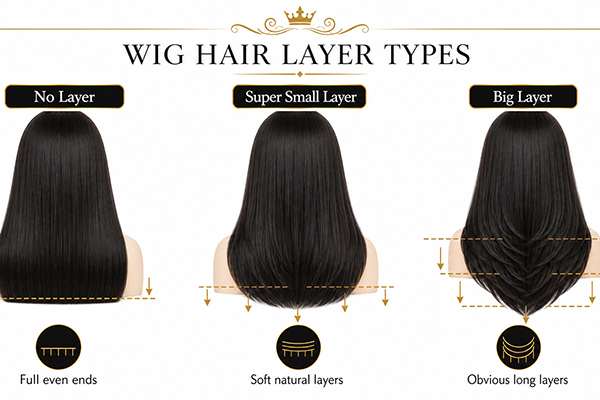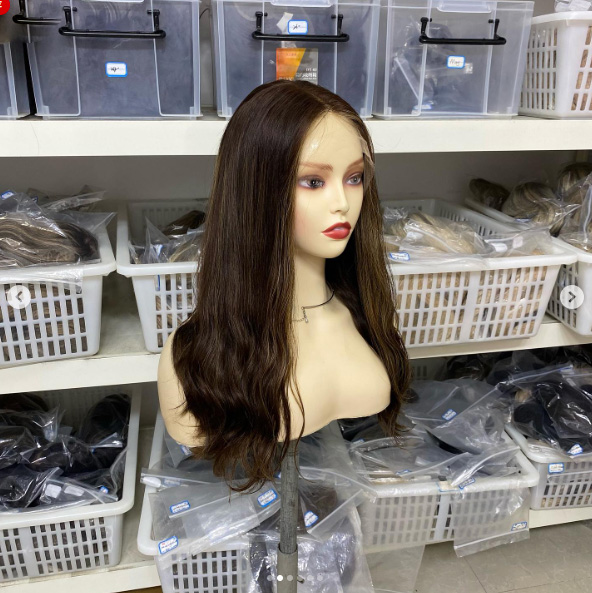

Worried you might be misunderstood when choosing Jewish hair coverings? I’ve struggled with this too, especially figuring out what a kippah fall is and why people choose it.
A kippah fall is a Jewish hair covering style that blends a small kippah cap with a partial wig, allowing some natural hair to show. It’s worn to fulfill religious requirements and looks less bulky than a full wig.
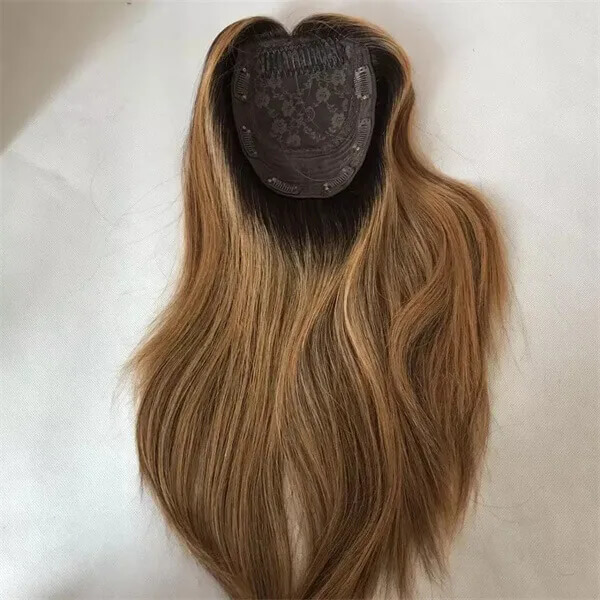
When I first learned about kippah falls, I realized there were many other related questions, like the differences between wigs and falls1 and why people choose one over the other. Let’s dive in and explore each concept step by step, so it becomes easier to pick your own style.
What is the difference between a wig and a fall?
Ever been confused at a wig shop and wondered what sets a wig apart from a fall? I know the feeling and wanted quick answers myself.
A wig is a full head covering made of synthetic or human hair, while a fall covers only part of the head, usually held with a kippah or headband, letting some natural hair stay visible.
To better understand why these choices exist, I started comparing them directly, asking experienced wearers, and experimenting myself. Here’s what I learned about their structure and how they’re worn:
| Feature | Wig | Fall (Kippah Fall) |
|---|---|---|
| Coverage | Covers entire scalp & hair | Covers part of scalp; shows own hair |
| Attachment | Worn like a cap or sewn in | Clipped to head, often with kippah |
| Appearance | Looks like full head of hair | More natural, blends with real hair |
| Comfort | Can be hot or heavy | Often lighter and cooler |
When I wore a full wig once, it felt heavier, while the fall let me mix my own hair into the look, which felt more natural and less overwhelming.
Which is better, a wig or a topper?
Are you stuck deciding which head covering makes life simpler: a traditional wig or a practical topper? I spent ages debating this before finding my perfect balance.
A wig fully covers your head for complete modesty, while a topper (or fall) is lighter, shows a little of your real hair, and is easier to wear in different styles.
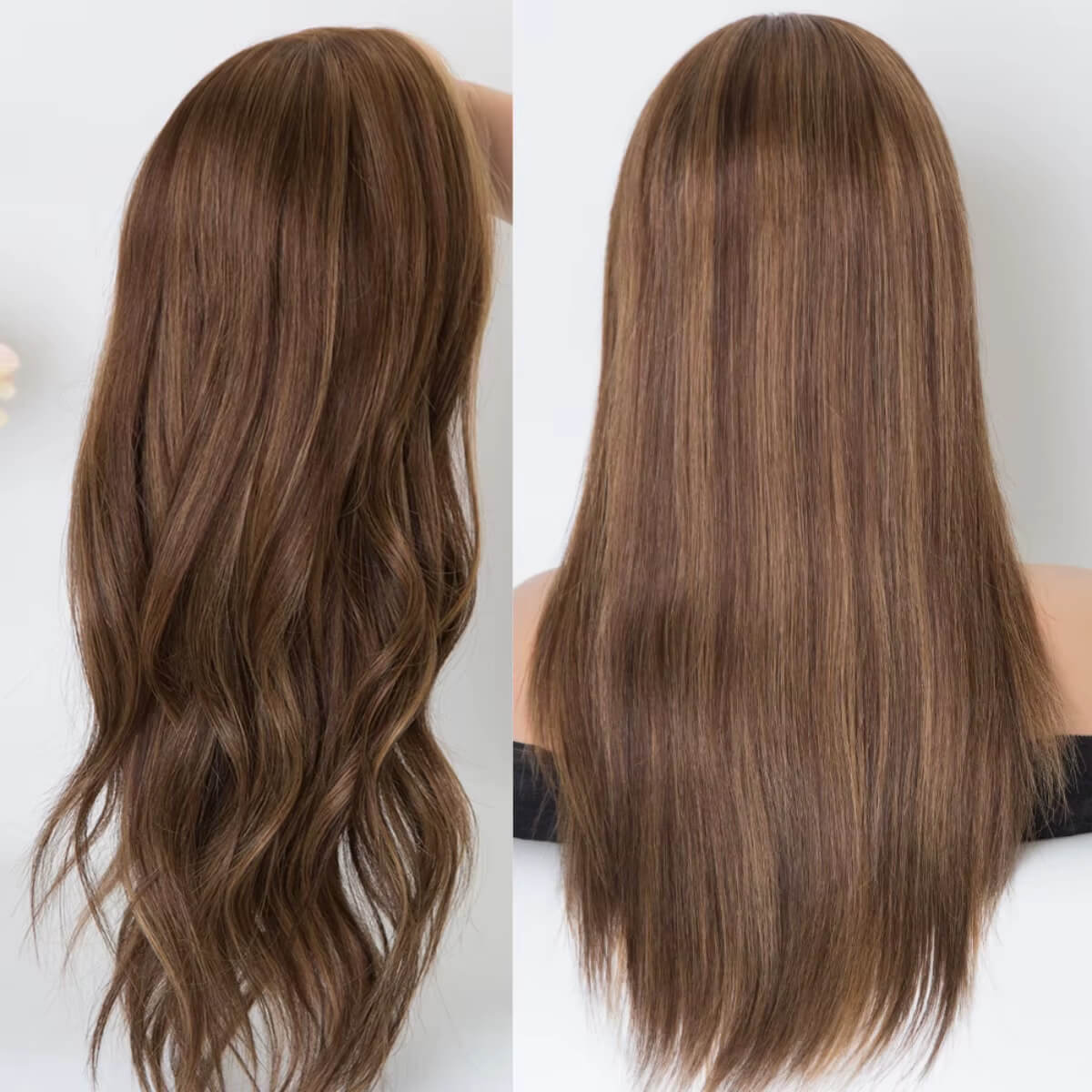
Digging deeper, I realized the choice depends on what works for everyday life and personal comfort. If you want total privacy or a big style change, a wig is solid. If you want something easy to manage, cooler, and more natural, a topper is more flexible. Here’s a quick comparison:
| Feature | Wig | Topper (Fall) |
|---|---|---|
| Maintenance | Needs styling and care often | Easier to clean and wear |
| Modesty Level | Full coverage | Partial coverage, more flexibility |
| Social Image | May look “dressy” or formal | Looks casual and blends easier |
| Price Range | Usually more expensive | Often cheaper and simple |
I tried both, and the topper made summer days bearable, but I still reach for a wig when I want a polished, all-covered look for a special event.
What is a fall wig called?
Ever ran into fashion terms and wondered if you were using them right? I kept mixing up “fall wig” with all kinds of fancy names.
A fall wig is also called a half wig, topper, or kippah fall. It covers part of the head, usually secured with a band, combs, or a kippah cap.
Exploring Jewish communities, I found that people talk about falls in lots of ways, depending on tradition or style. Here are the common names and how each is used:
| Name | Description |
|---|---|
| Kippah Fall | Worn with a kippah, covers top/back of head |
| Half Wig | Covers half the head, less hair used |
| Topper | Adds volume, blends with existing hair |
| Band Fall | Uses a headband to secure, easy on/off |
People sometimes use these terms interchangeably, but “kippah fall” is most often heard in Orthodox communities. Knowing the right term can help you buy or ask for the right style.
Why doesn’t kippah fall?
Ever seen someone’s kippah fall stay perfectly in place and wondered how? I used to worry mine would slip at the worst moment.
A kippah fall stays secure because it attaches with clips, a headband, or specially designed materials that grip the hair, ensuring it doesn’t slide off during daily movement.
I tested several methods myself. Surprisingly, small sewn-in combs2, silicone straps, and gentle teasing of your own hair all make a kippah fall much more secure. Some people even double up with bobby pins or use spray to keep hair grippy. Here are the ways people keep their fall in place:
| Method | Effectiveness | Description |
|---|---|---|
| Sewn-in Clips/Combs | High | Attach directly to natural hair |
| Silicone Straps/Bands | Medium | Adds friction, helps keep position |
| Headband (Band Fall) | High | Extra security, blends with style |
| Bobby Pins | Medium | Quick fix, easy to adjust |
Mistakes happen if you rush wearing these styles, but with practice and some experimenting, I found the setup that works even for busy errands or dancing at weddings.
Can non-Jews wear a kippah?
Maybe you’ve attended a Jewish wedding or wanted to show respect at a synagogue and wondered: Can non-Jews wear a kippah, or will it seem odd? I was nervous about this too.
Non-Jews can wear a kippah when visiting Jewish spaces or ceremonies to show respect or solidarity. It’s a sign of humility and is often encouraged by hosts in religious events.
The first time I wore a kippah as a guest, everyone was welcoming. Wearing a kippah outside Jewish spaces usually doesn’t have much meaning, but inside, it sends a simple message: I respect the tradition. Here’s a guide to when it’s fine or meaningful:
| Situation | Etiquette |
|---|---|
| Synagogue or Jewish Ceremony | Wearing is respectful and encouraged |
| Jewish Home or Celebration | Hosts may offer kippahs to guests |
| Everyday Public Use | Optional; not common outside religious spaces |
People often appreciate when you ask if it’s appropriate and follow community customs, especially during formal or holy gatherings.
Kippah fall vs wig cost
Stuck budgeting for hair covering and can’t decide what’s more affordable in the long run? This dilemma kept me awake when I first started searching.
**A kippah fall usually costs less than a full wig, since it uses less hair and simpler construction. Wigs range from budget to luxury pricing, but falls are often a cheaper, practical choice for everyday use.
After visiting several shops, I collected pricing estimates and broke down the real costs. Here’s what I learned:
| Type | Starting Price | High-End Price | Average Maintenance/Year |
|---|---|---|---|
| Kippah Fall | $100 | $500 | $50 – $100 |
| Full Wig | $200 | $2,000+ | $100 – $400 |
The quality, hair type, and craftsmanship can swing prices up or down. For someone starting out or switching styles often, buying a kippah fall3 makes experimenting with looks easier and less stressful on your wallet.
Conclusion
Choosing between a kippah fall and a wig depends on cost, comfort, modesty, and personal style. Each has real advantages, but starting with a kippah fall lets you explore more flexibility without spending a fortune.
Exploring the differences can help you make an informed choice about which style suits your needs and preferences. ↩
Discover how small sewn-in combs can enhance the security of your kippah, ensuring it stays in place throughout the day. ↩
Exploring this link will provide insights into kippah falls, helping you understand their versatility and style options. ↩